

2025 Specialty Application
1st Runner-Up &
People’s Choice Winner
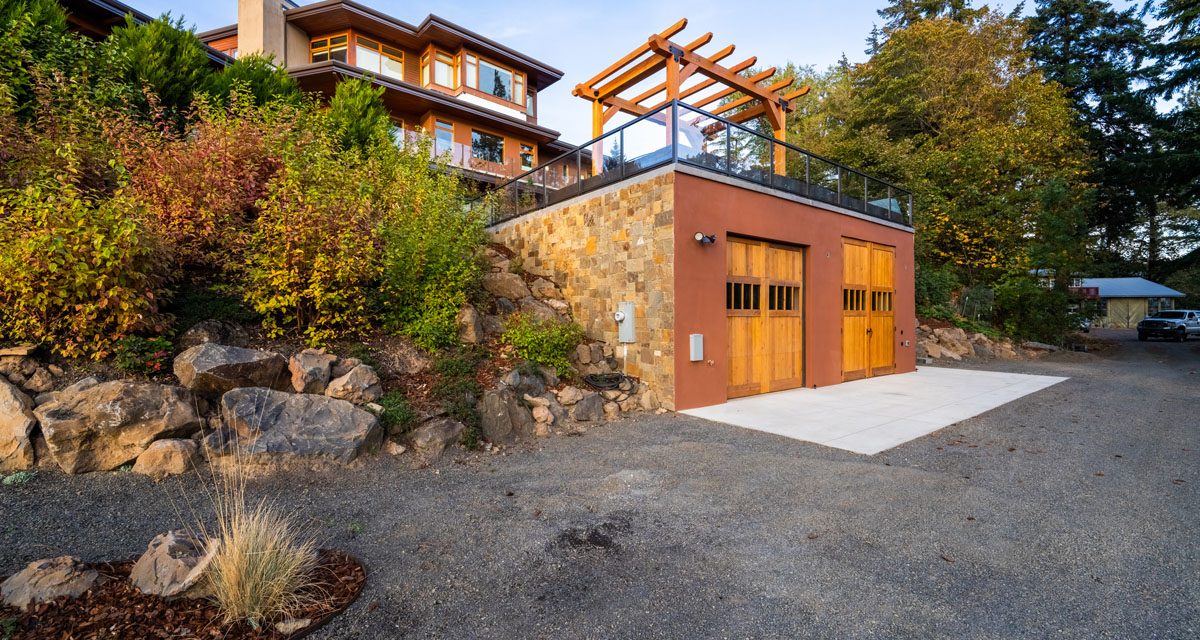
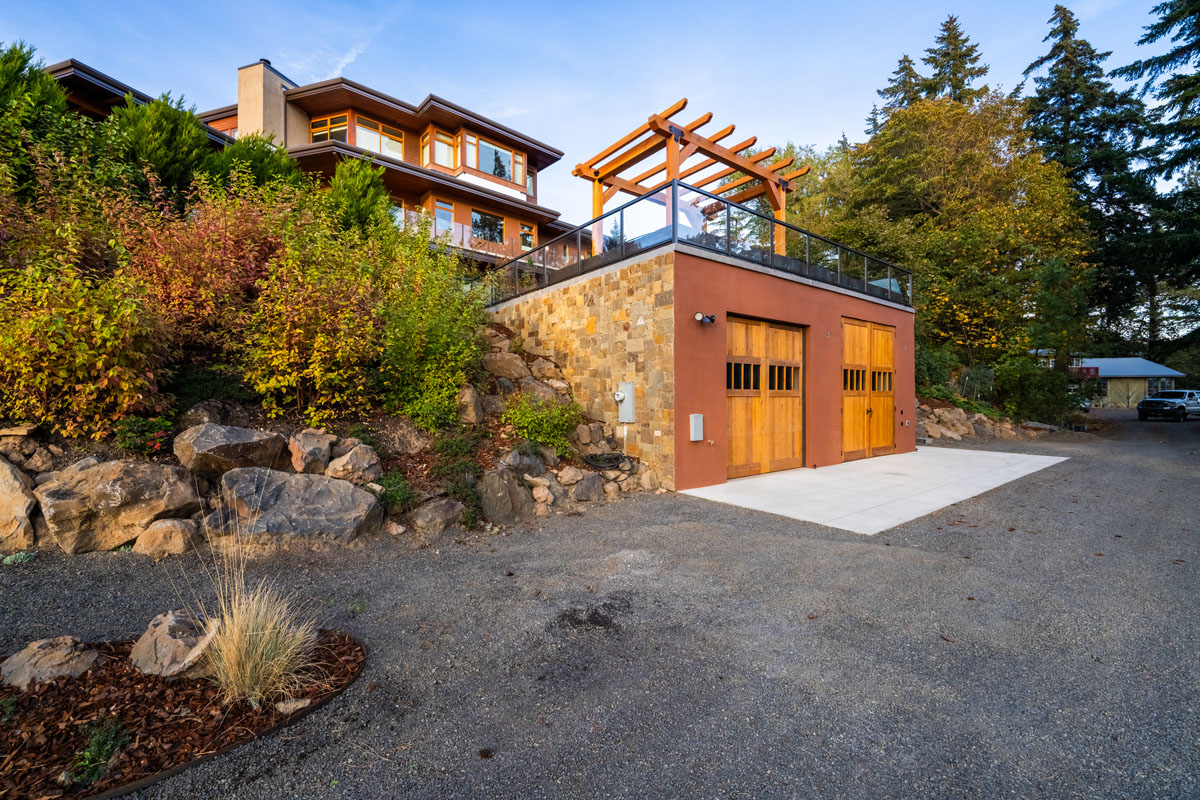
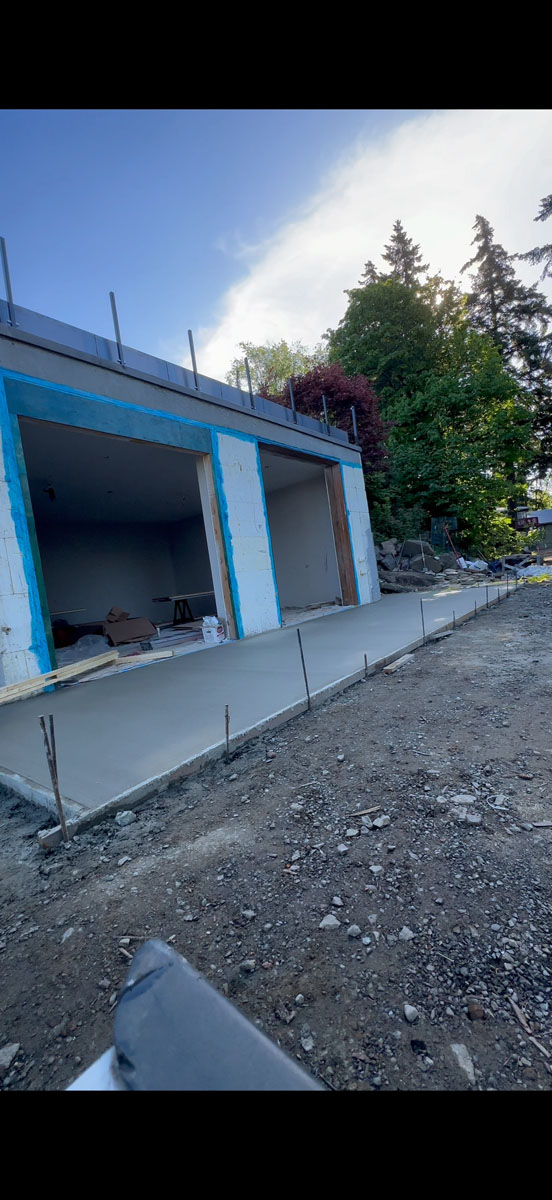
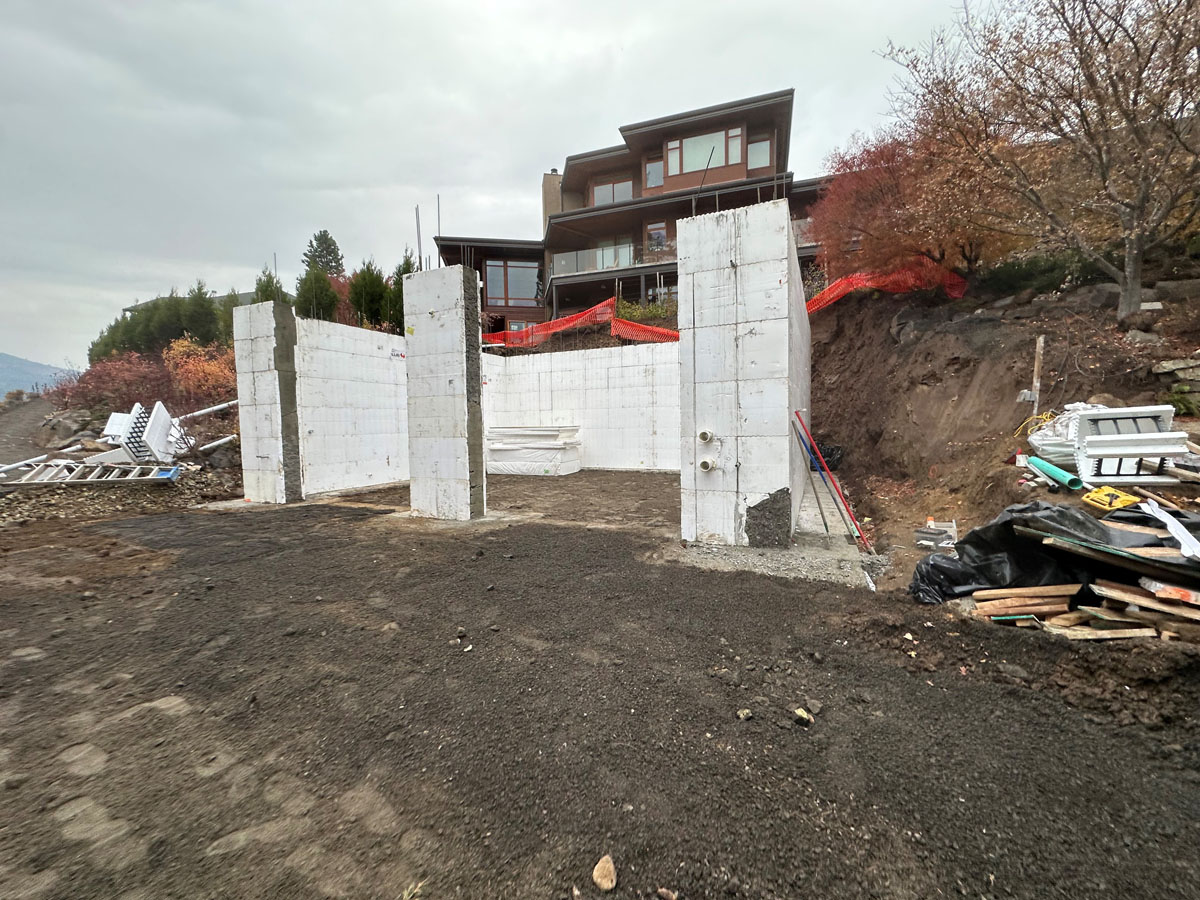
The Bluffside Party Pad in White Salmon, Washington, is a garage project built using Amvic ICFs by Alleguard. The project was the 1st Runner UP and People’s Choice Award winner in the Specialty Applications category in the 2025 ICF Builder Awards.
Josh Miller is the Owner of Highmark Design and Construction, which performed general contracting and ICF installation for the project. Highmark Design and Construction is a distributor for Alleguard in Washington and Northern Oregon. The project was completed over a period of 11 months, and only five days involved ICF installation. Miller estimates the team saved 8 days using ICF construction.
Complexity and Creativity
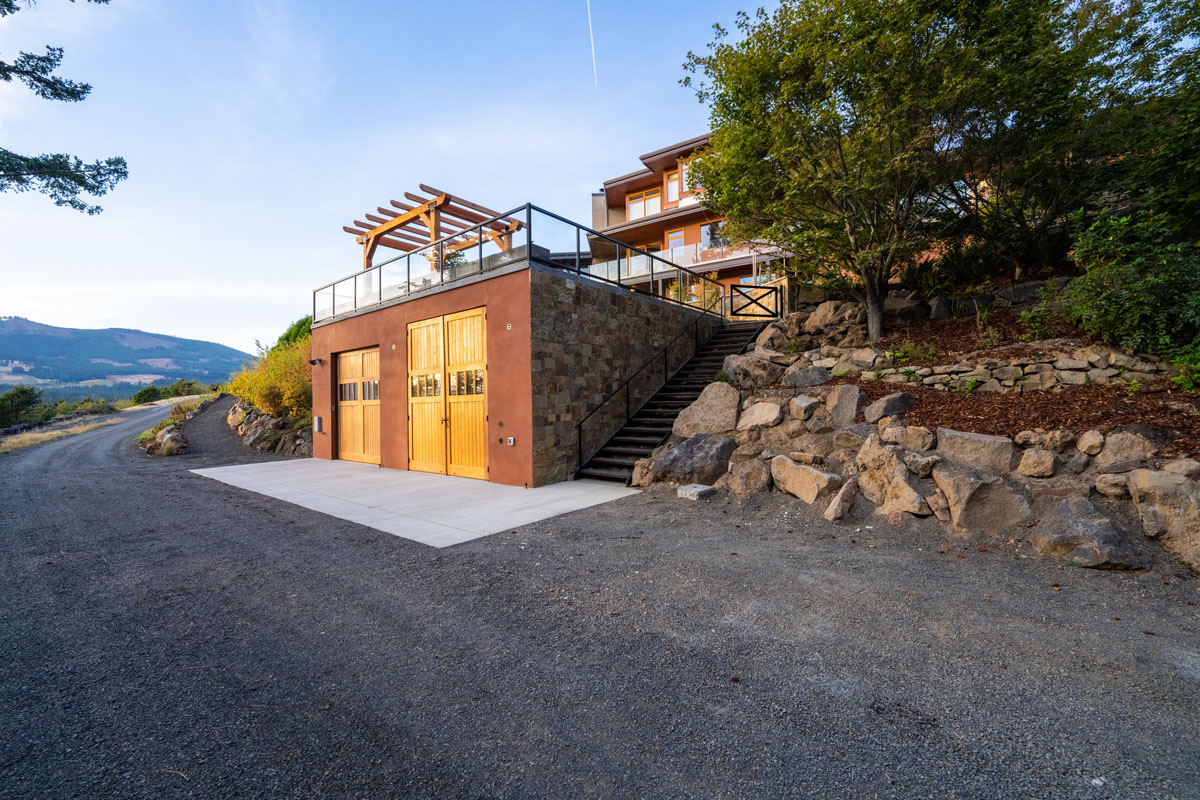
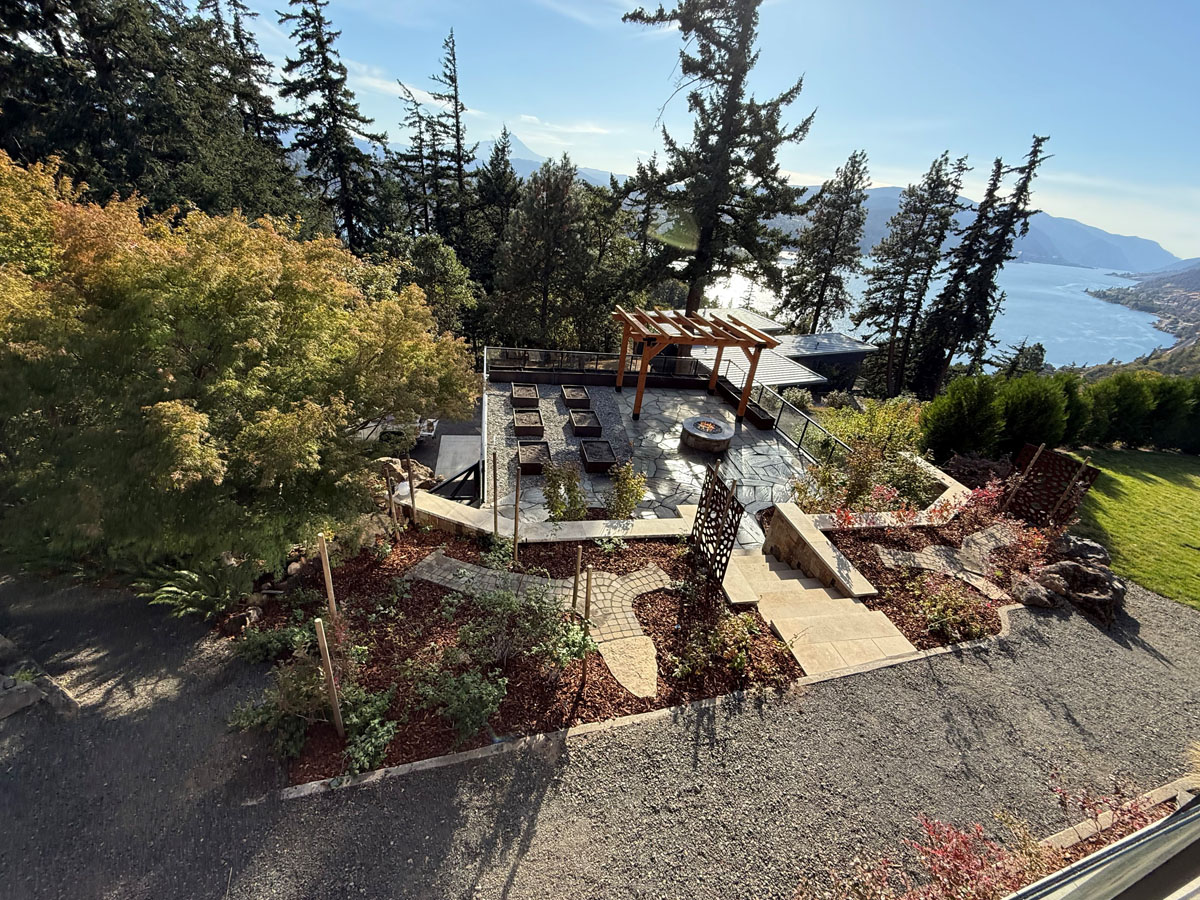
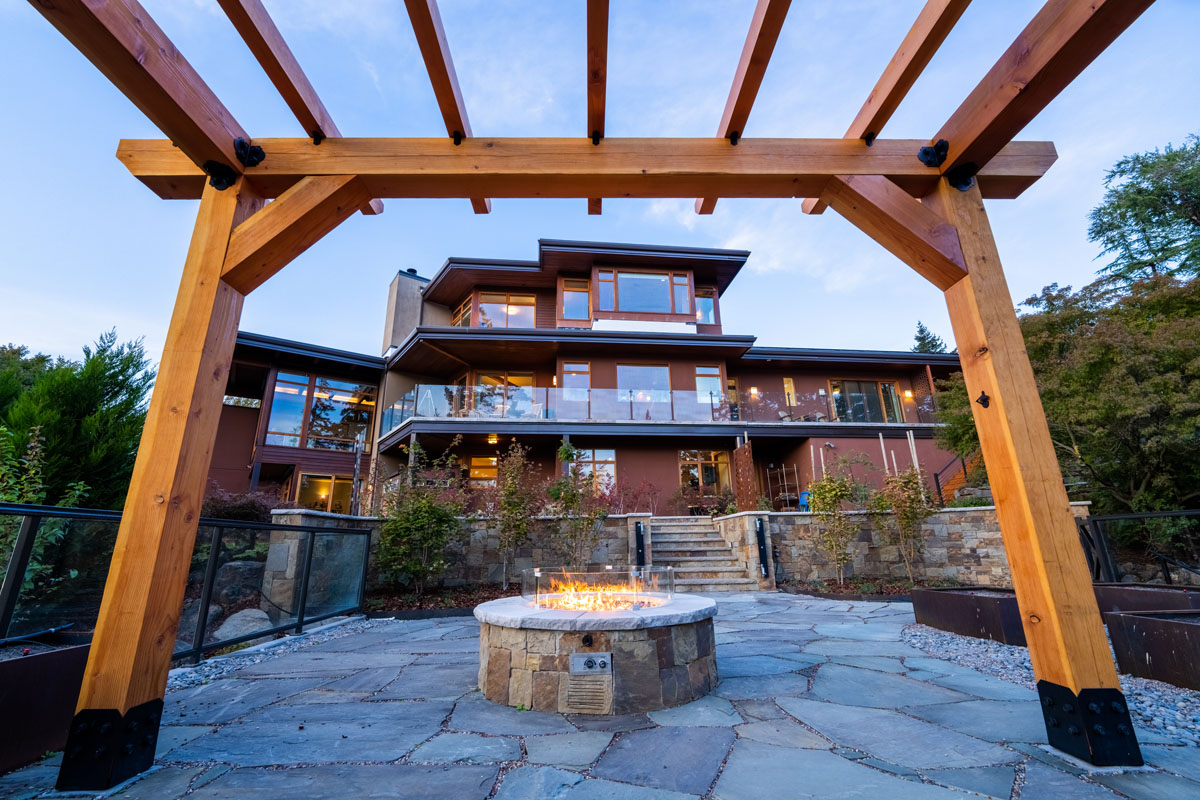
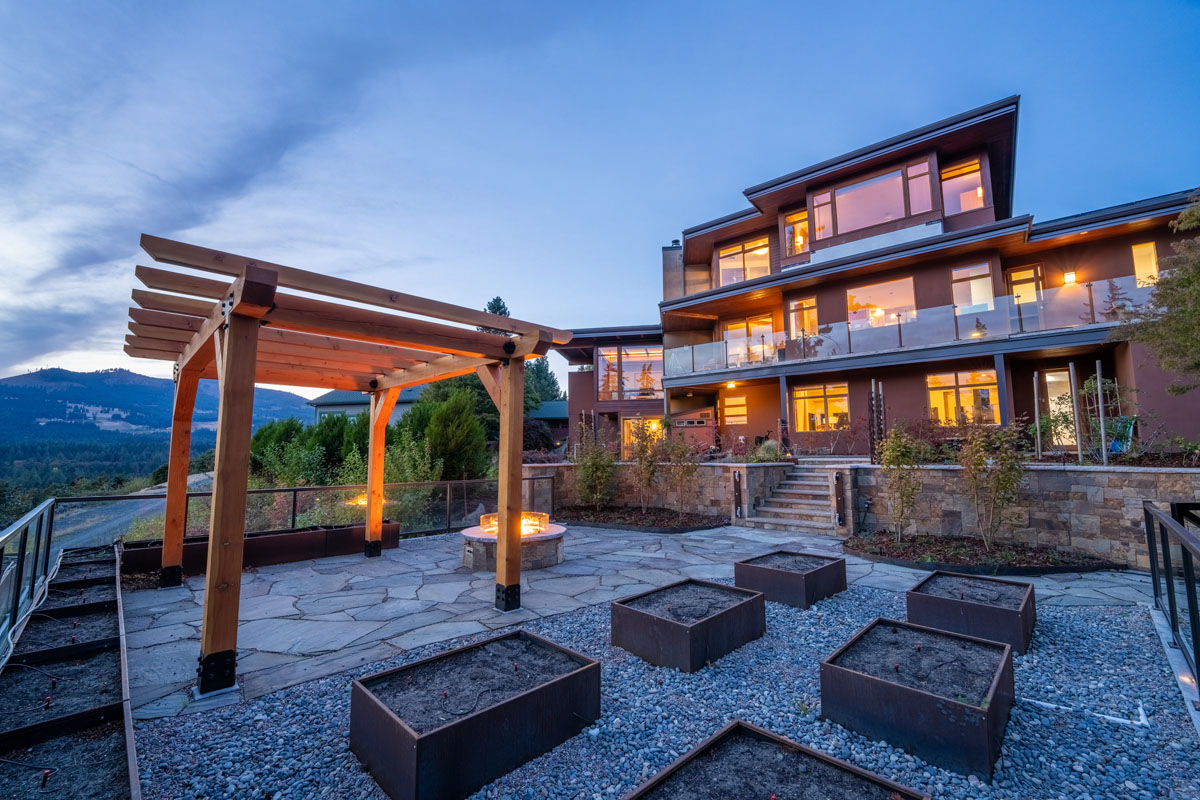
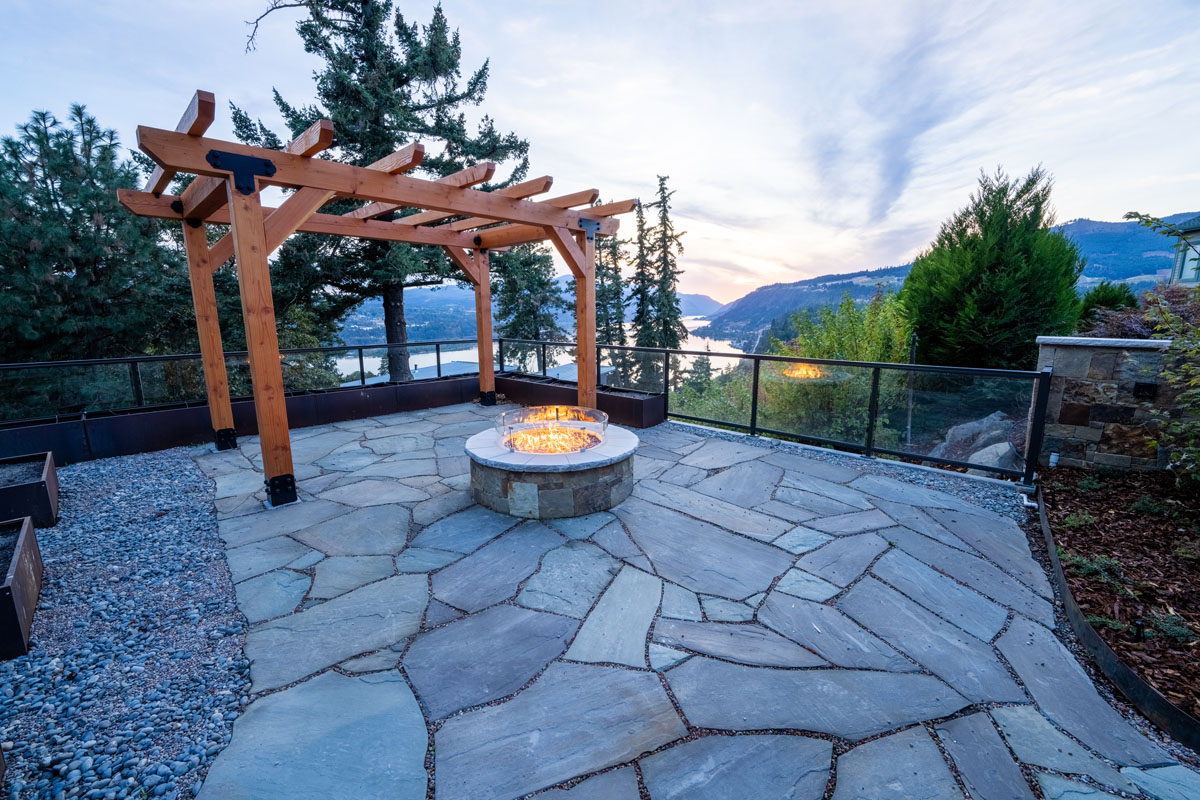
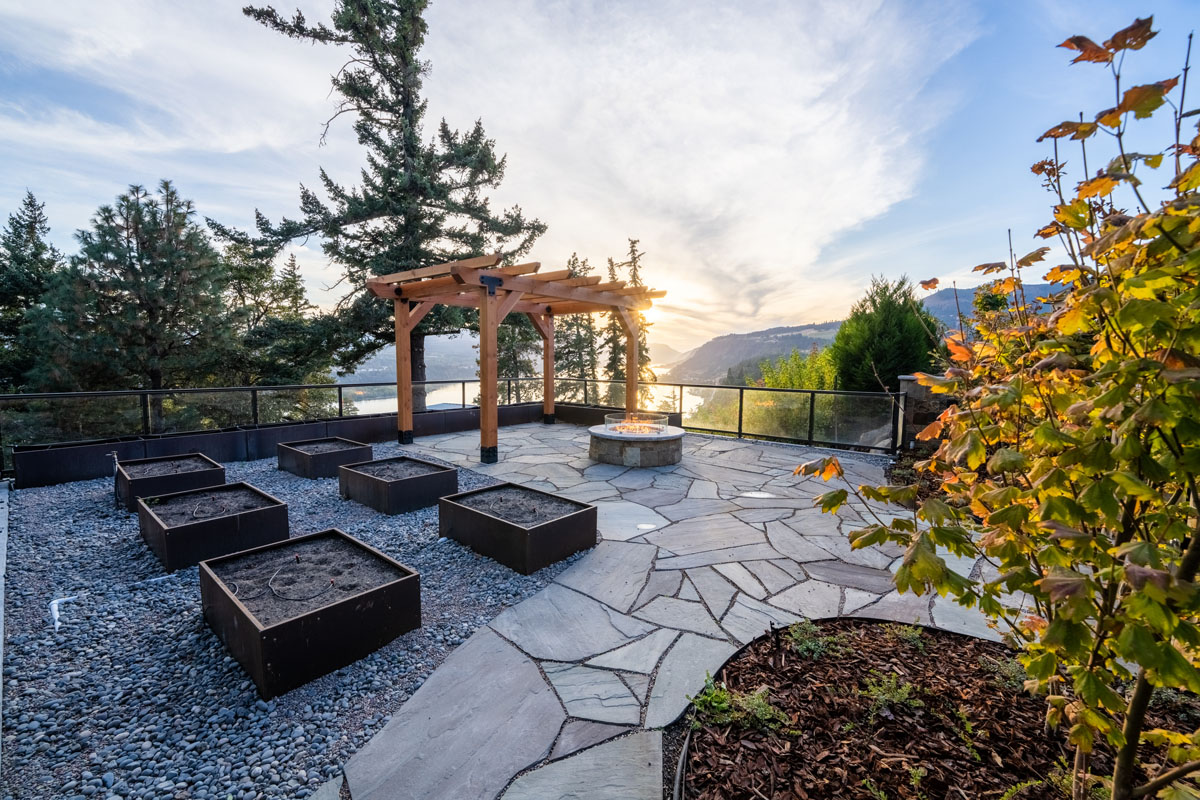
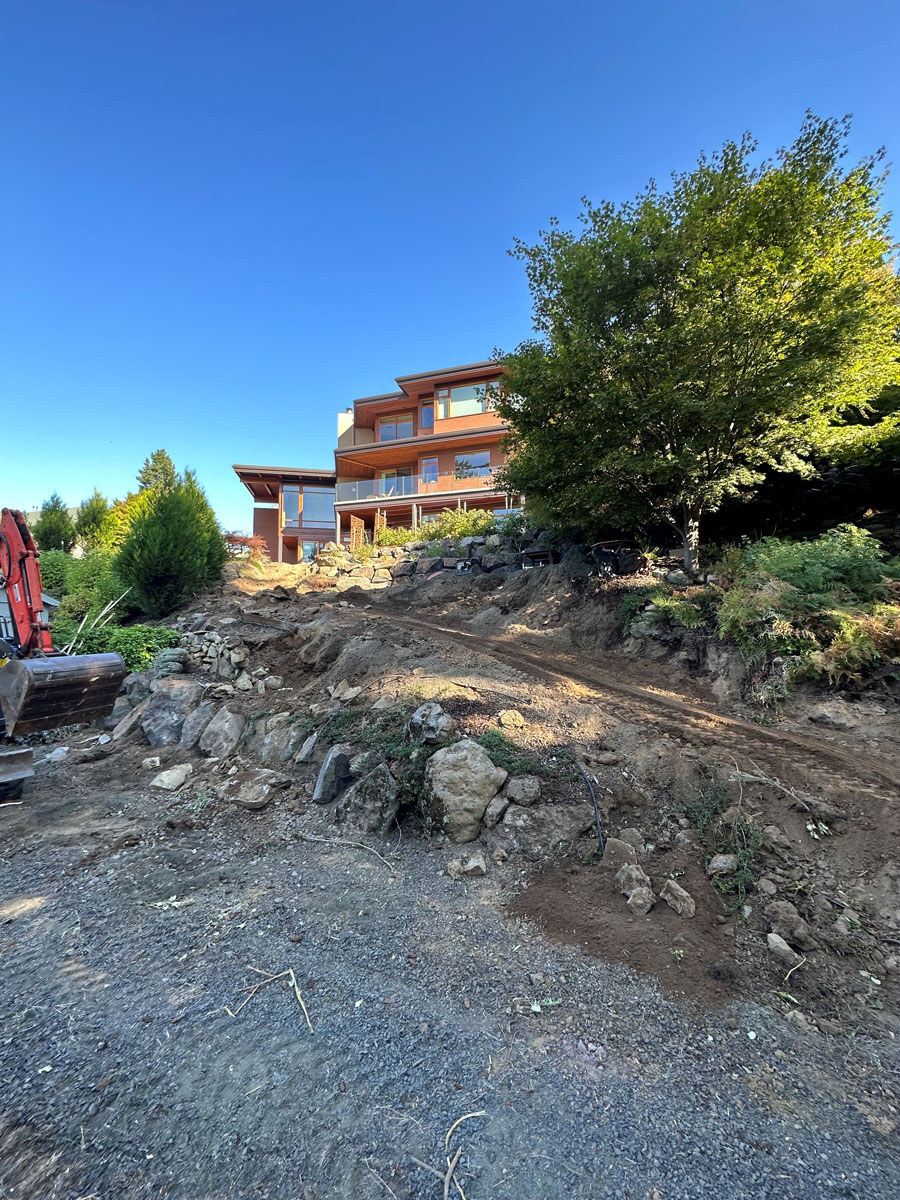
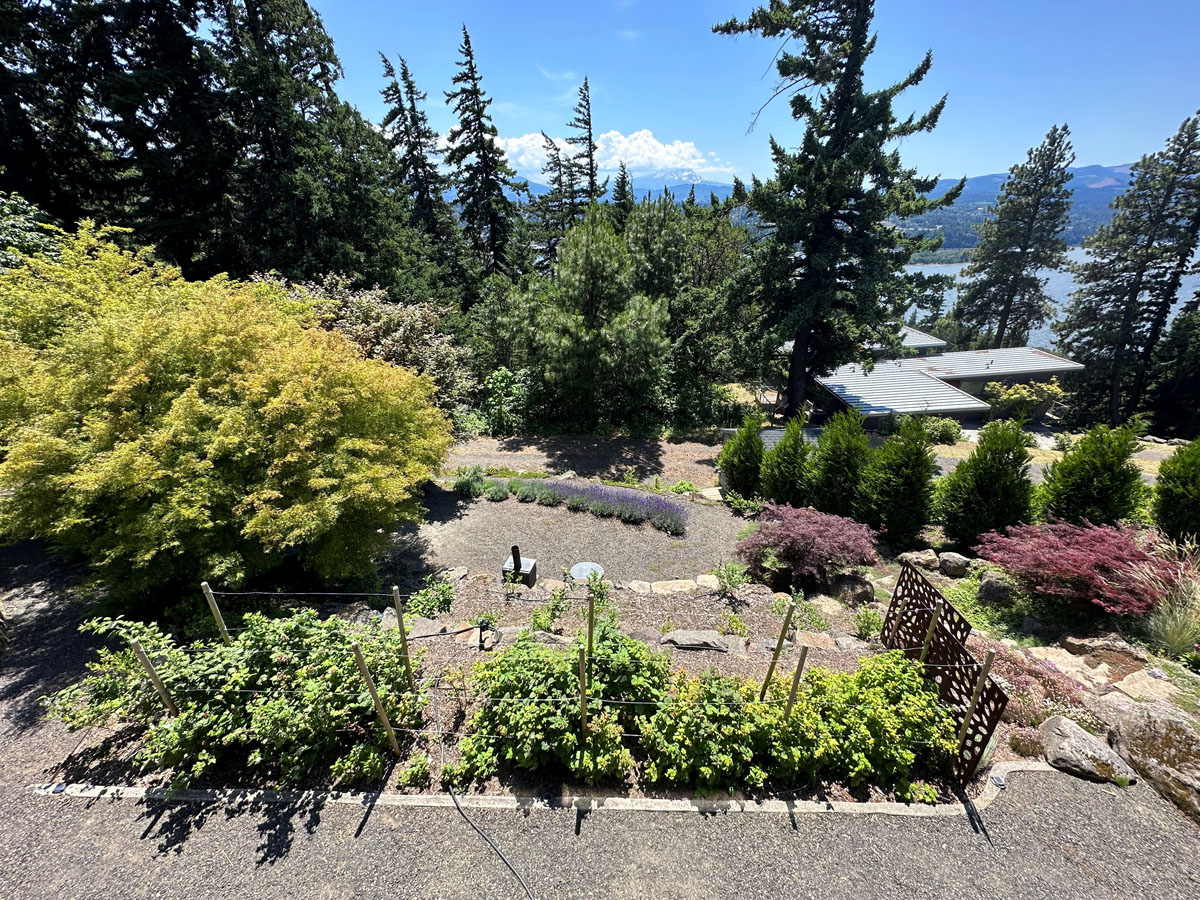
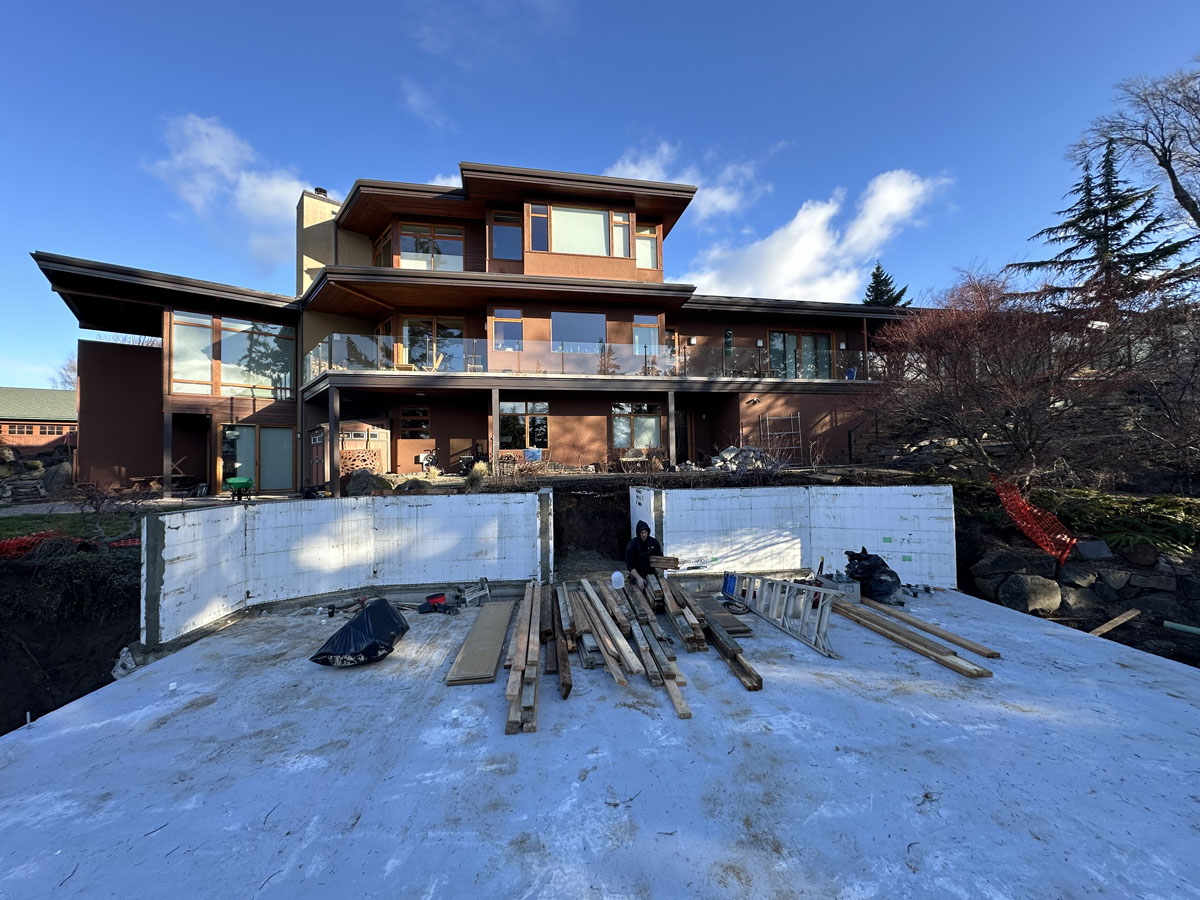
Highmark got involved after the customer approached wanting a garage on a steep hillside, while also wanting to be able to use its flat roof as an entertainment area. Living on a steep bluff and having a flat ‘yard’ space on the roof of your garage sounded unrealistic, but it was achievable.
“With the garage being constructed on a lot already having a $5 million house on it, and the owner wanting the project to ‘flow’ with the natural terrain, and having to remove 400 to 450 tons of dirt made the job quite challenging,” Miller said. Also driving complexity were the physical requirements to make the project happen. The building needed to house an 11-foot-tall and 26-foot-long Sprinter van. “Wall heights with the 100 psf lateral pressure on a 13-plus-foot-tall wall were not easy,” he said. “The roof needed to be designed to be a waterproof party pad capable of handling the 100 psf snow load, plus sand, rock, and pavers to make it a living space the owner could enjoy.”
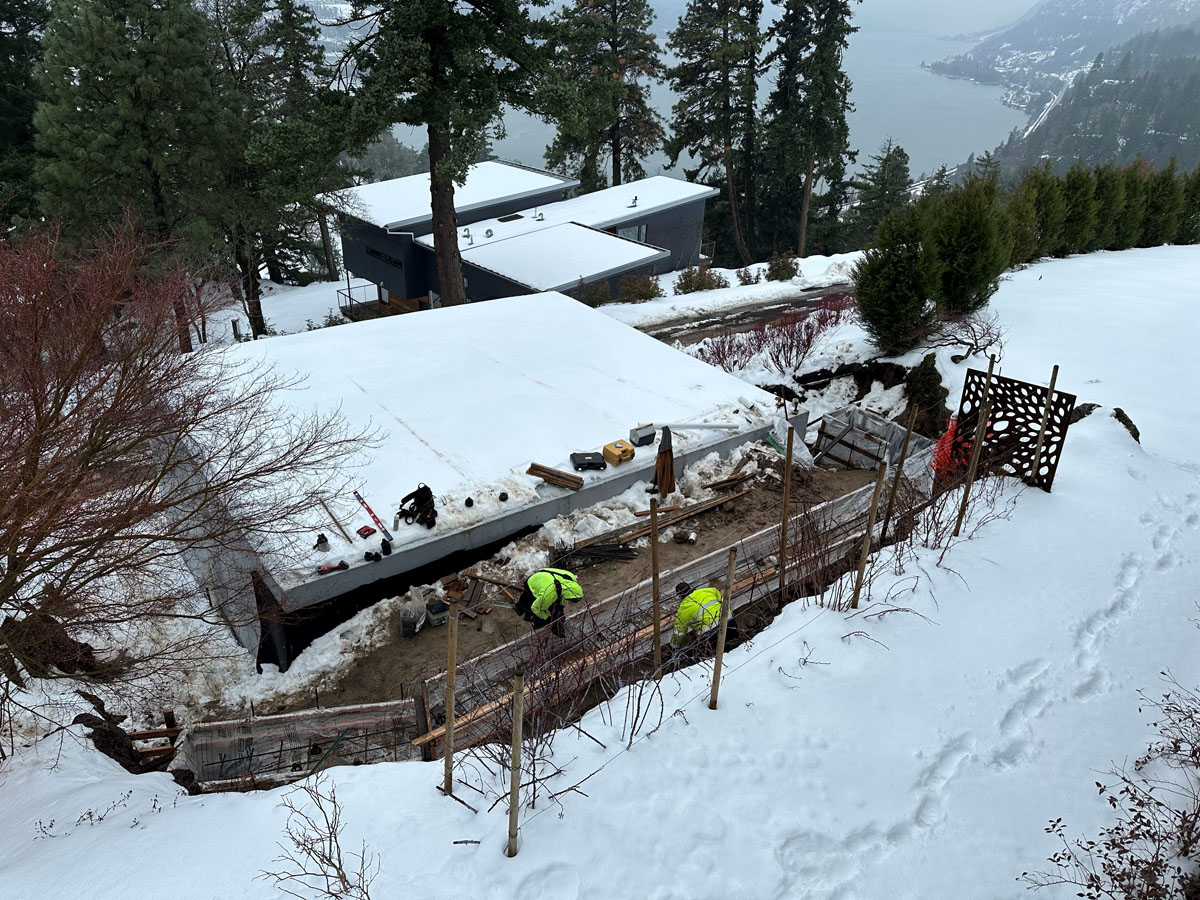
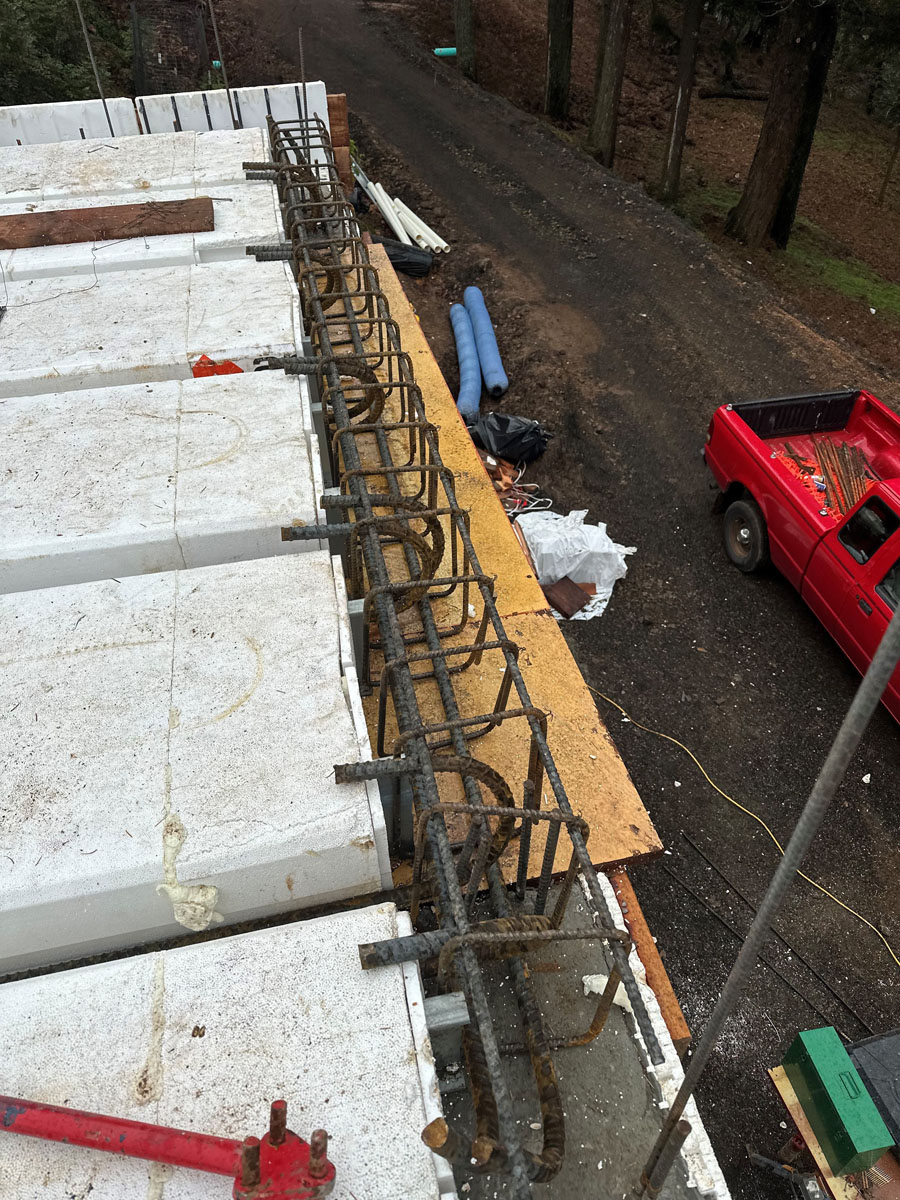
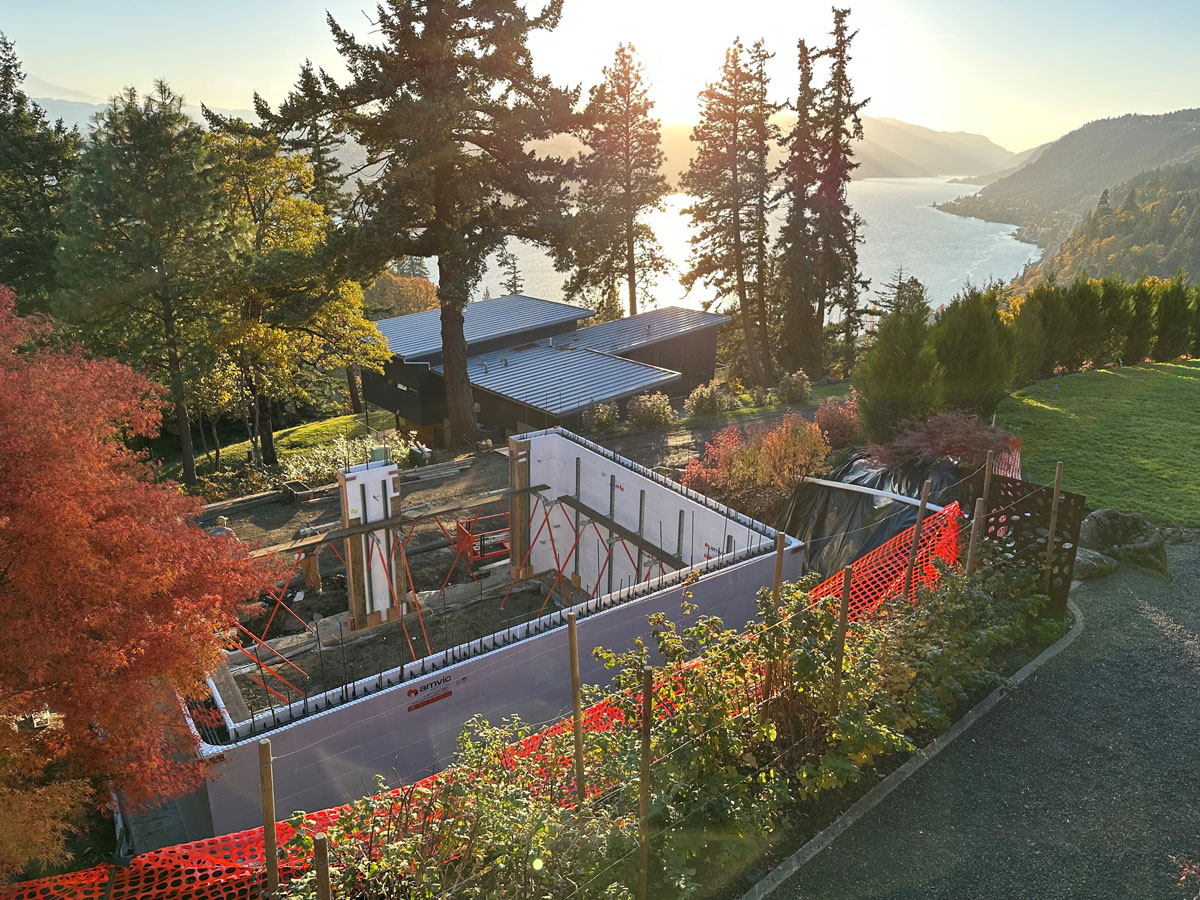
Construction was also mostly completed in the rainy season of the Pacific Northwest, so safety around any dig out was paramount, he said. The project’s preliminary engineering phase faced several challenges, beginning with the silty clay soil composition that required walls capable of withstanding 100 psf lateral loads. While the initial design called for an 8- or 10-inch core ICF, reducing 2 inches from each wall meant increasing the building’s overall depth to ensure the van would fit properly. Before excavation could begin, the team had to address two infrastructure issues: rerouting an existing pedestrian path that connected the service road to the client’s residence and relocating a drain field line that ran directly through the proposed garage location. The government permitting process for these modifications proved more time-consuming than anticipated. Additionally, given the Pacific Northwest’s seismic activity and engineering concerns about the structural capacity of the flat roof design, the construction required an extensive reinforcement solution — ultimately incorporating 12,000 pounds of rebar to ensure adequate strength and stability.
Craftsmanship and Impact
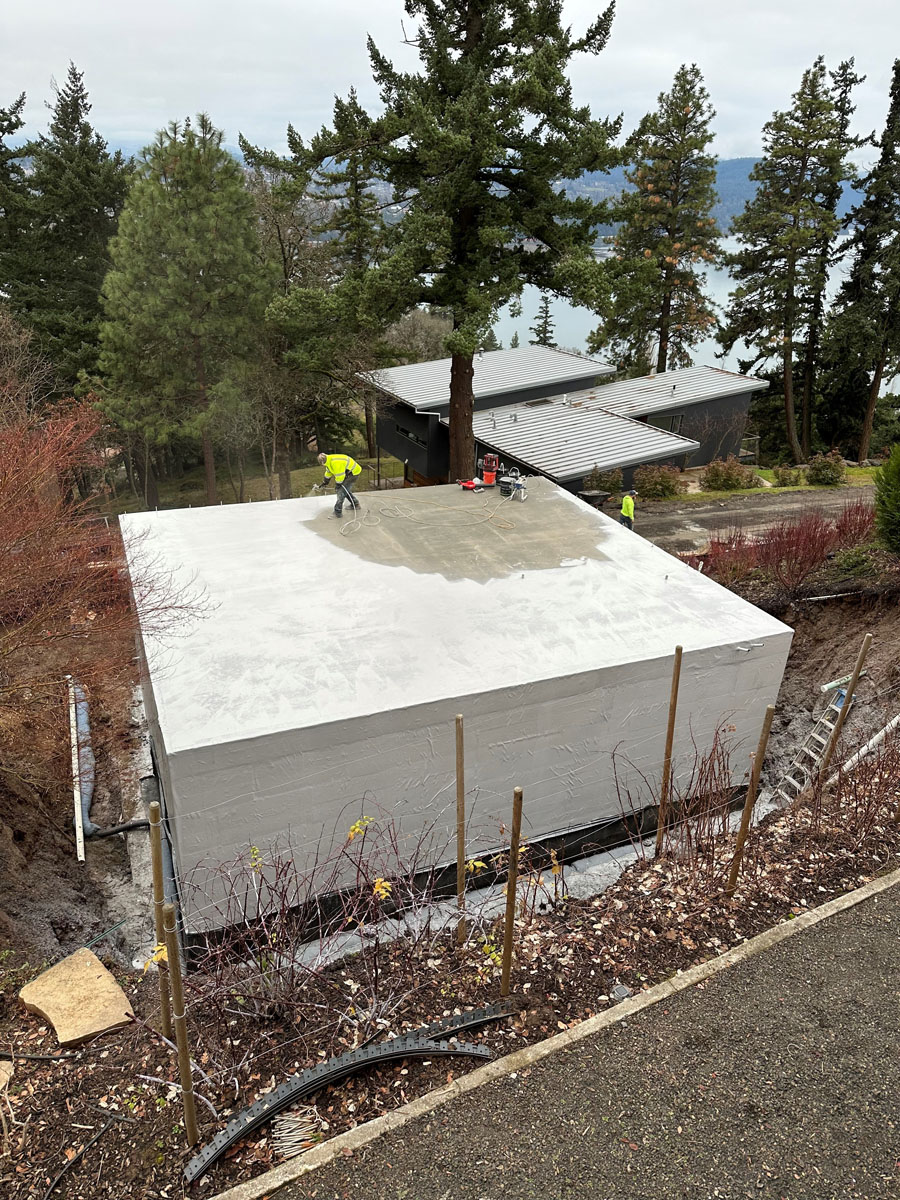
Waterproofing was a primary concern given that approximately 80% of the structure would be underground with living space above it. During heavy rainfall, the newly installed drainage system was measured handling 700 gallons per minute, channeling all runoff from the entire site through pipes to a small retention basin positioned at the property’s lowest elevation. The roof waterproofing strategy resembled swimming pool construction more than conventional roofing, employing a multi-layered system of Hulk, Ames Bluemax, and Basecrete, topped with dimple mat and ultimately buried beneath sand and rock.
The lateral loading calculations demanded meticulous rebar placement in the rear and side walls, while the roof’s structural requirements led to custom-ordering specially bent #9 rebar double-ended candy canes. To prevent water pooling, the roof was engineered with a three-directional slope and surrounded by drain tile within a perimeter curb, with strategically placed weep holes at low points to facilitate drainage, though the surface was expected to remain damp or wet roughly 80% of the year. The finishing touches required matching the stucco and aesthetic details of the outdoor entertaining area to seamlessly integrate with the existing residence.
“The customer requirements for blending with the natural settings were the most challenging aspect of the build,” said Miller, and that required the crew to do a lot of landscaping, much more than anticipated! The team used cranes to move rocks around the building, as well as to drop an excavator onto the roof to help move rocks. “We needed a way to have the party pad flow with the existing landscape, and tie into the house,” he said. “We built another ICF retaining wall behind the structure, with a few stairs leading down to the pad.”
Miller said this project made “a believer” out of a client who had never heard of ICF before Highmark introduced it to him. “The ICF made the structure the least stressful part of the project!” Miller said. “The owner is very happy and continues to call our company with other projects, mostly because he trusts us to get the job done. This was a big undertaking for both the client and ourselves; we will be showcasing this to clients for years to come.”













Project Statistics
Location: White Salmon, Washington
Type: Garage, gathering space
Size: 950 sq. ft.
ICF Use: 3,500 sq. ft.
Cost: $550,000
Total Construction: 11 months
ICF Installation Time: 5 days
Construction Team
Owner/Developer: Mark Savarese
General Contractor: Highmark Design and Construction
ICF Installer: Highmark Design and Construction
Form Distributor: Highmark Design and Construction
Architect: Highmark Design and Construction
ICF System: Amvic
Fast Facts
- Garage on an extremely sloped property
- Garage sized for 11×26-foot Sprinter van
- Gathering space on top of garage
- Blends with existing landscape and home

Like what you read?
Yearly Subscriptions Starting @ $30







0 Comments